


Top Signs Your Fence Needs Repair or Replacement Before Summer

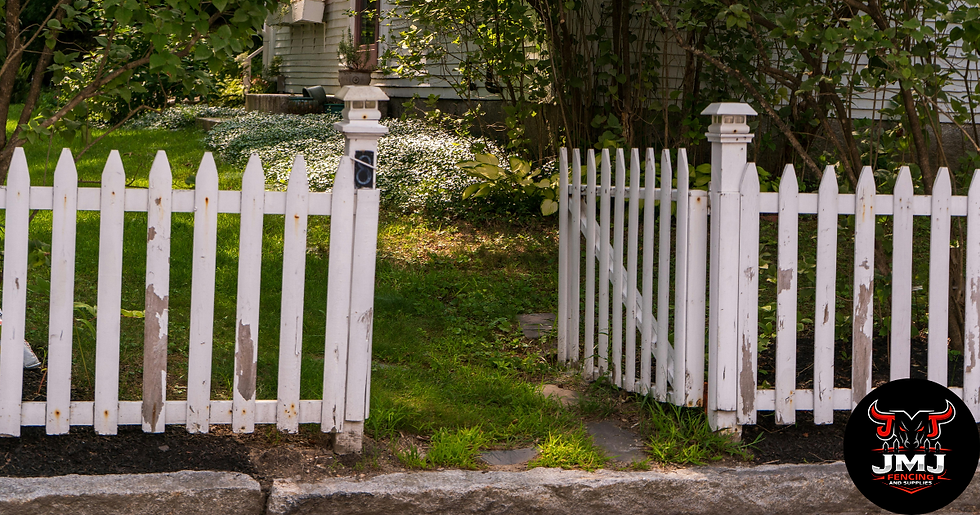
Top Signs Your Fence Needs Repair or Replacement Before Summer
Spring has a way of revealing everything we ignored through winter. The grass starts growing again, landscaping wakes up, and suddenly that fence you walked past every day begins asking for attention. Maybe a board looks warped. Maybe the gate sticks a little more than it used to. Or perhaps the entire fence line has developed a subtle lean that was not there last year.
It happens slowly, which is exactly why so many property owners miss it.
Then summer arrives. Backyard cookouts return. Pets spend more time outside. Commercial properties see heavier activity and more eyes on the exterior. That is usually when fence problems move from “something to deal with later” into “this needs attention now.”
Across Southern Indiana, changing seasons put fencing through a lot. Winter moisture, freezing temperatures, spring rain, and summer heat all leave their mark. Some fences handle it well. Others begin waving warning flags.
The question is not whether your fence has aged. Every fence does. The real question is whether it still has enough life left for another season.
When a Fence Starts Leaning, Pay Attention
A fence that leans slightly can be easy to dismiss. People often assume it is cosmetic. Maybe the ground shifted a bit. Maybe the posts settled. No big deal, right?
Sometimes that is true.
Other times, a leaning fence is the first visible sign of a deeper issue hiding below the surface.
Wood posts may be rotting underground where you cannot see them. Soil erosion can loosen support around the base. Years of weather movement might slowly pull sections out of position until one day the whole structure looks just a little off.
Here is the tricky part. Fences rarely fail all at once. They drift. They shift. They move little by little.
Think of it like a shopping cart with one wheel that does not track correctly. At first it is annoying. Eventually the whole thing stops working the way it should.
If multiple areas lean or wobble when touched, repairs may still help, but replacement often becomes the smarter long-term move.
Water Damage Does More Than Change Appearance
Wood fencing can look incredible when it is maintained well. It adds warmth, privacy, and character that many homeowners love.
Moisture, unfortunately, has its own plans.
Rot usually begins quietly. It might appear near the bottom of a fence post or along boards that stay damp after rain. The wood becomes soft. Colors change. Surfaces feel rough or crumbly.
You know what surprises people? How quickly that damage spreads once summer humidity settles in.
Southern Indiana weather creates ideal conditions for moisture problems. Warm temperatures mixed with rainfall can speed up deterioration faster than many expect.
Commercial properties often see this around shaded areas, dumpster enclosures, and low spots where drainage becomes an issue. Residential properties are not immune either, especially when landscaping traps moisture near the fence line.
Sometimes replacing a few damaged sections solves the problem. Other times the damage reaches farther than expected and the fence is already moving toward replacement territory.
Broken Panels Usually Mean More Is Coming
One damaged board after a storm is not unusual. Wind happens. Fallen branches happen. Life happens.
The concern starts when repairs become routine.
If boards crack every season, panels detach after moderate storms, or sections keep splitting despite repairs, the fence may be losing structural strength overall.
Older wood tends to become brittle with age. Vinyl can crack under pressure or temperature changes. Metal fencing systems may loosen over time as soil shifts beneath them.
There is also the practical side of things.
A damaged fence does more than affect appearance. Pets can slip through openings. Privacy disappears. Security becomes weaker. Businesses may face liability concerns if property boundaries no longer feel secure.
Summer tends to shine a spotlight on these issues because outdoor spaces suddenly matter more.
Nobody wants guests arriving for a backyard gathering while staring straight through missing fence panels into the neighbor’s patio.
A Stubborn Gate Is Usually Part of a Bigger Story
It starts small.
You lift the gate a little when opening it. Then you push harder. A few months later you are practically shoulder-checking it every morning before work.
Funny enough, people adapt to gate problems without noticing.
A dragging gate often points toward shifting posts, aging hinges, structural movement, or settling ground beneath the fence. Rust can contribute too, especially after years of weather exposure.
For homeowners, it becomes one of those daily frustrations that quietly builds.
For commercial properties, the issue grows larger. Security concerns increase. Access becomes inconsistent. The property simply feels less maintained.
And appearances matter more than people admit.
Imagine walking into a business where the entrance gate groans, sticks, and hangs unevenly. It creates an impression immediately.
Residential properties work the same way. Small details shape how people experience a space.
Sometimes the Fence Ages Faster Than Everything Around It
This section surprises people because it sounds cosmetic at first.
But an aging fence changes how an entire property feels.
You might install fresh landscaping, update siding, replace lighting, or improve outdoor spaces, yet the fence still pulls attention because it no longer matches the rest of the property.
Across Southern Indiana neighborhoods, fencing frames the view. It outlines yards. It shapes first impressions. It influences curb appeal more than many realize.
Commercial spaces feel this even more.
Customers notice exterior conditions immediately, even if they cannot explain why. Clean landscaping paired with worn fencing creates a visual mismatch.
Think about a restaurant with beautiful interior finishes but a faded exterior sign. Something feels incomplete.
Fencing works the same way.
Replacement is not always about appearance alone. Sometimes it is about bringing the whole property back into balance.
Repairs Should Not Become a Seasonal Tradition
There comes a point when fixing a fence every year stops making sense.
Maybe you replaced boards last spring. Then reset a post in fall. Now another section needs attention again.
Individually, each repair seems manageable.
Together, they tell a different story.
Older fencing often develops uneven weathering too. New boards stand out against faded sections. Repaired areas never quite blend the way people hope.
Eventually the fence begins looking patched together rather than restored.
This is where replacement starts becoming less expensive over time.
Modern materials have changed quite a bit. Vinyl fencing has gained popularity across Southern Indiana because it handles moisture well and requires less upkeep. Aluminum systems remain attractive because they stay durable while needing minimal maintenance.
Repairs still matter. They absolutely have a place.
But if every season begins with another repair project, your fence may already be asking for retirement.
Storm Damage Rarely Improves on Its Own
Southern Indiana weather can turn quickly. One strong spring storm can leave behind leaning sections, loose posts, broken boards, and shifted gates.
The challenge is that storm damage often compounds.
A weakened fence becomes more vulnerable next time. Posts loosen further. Cracks spread. Panels pull apart faster.
People sometimes wait because the damage does not seem urgent.
Then summer schedules fill up. Contractors become busier. Material availability changes. Suddenly the project feels rushed.
Addressing fence issues earlier usually creates more options.
And honestly, replacing fencing in mild spring weather sounds much better than emergency work in the middle of July heat.
Repair or Replace? The Answer Depends on the Whole Picture
This question comes up all the time.
Some fences only need targeted repairs. A few damaged boards, minor storm issues, or isolated wear do not automatically mean replacement.
Other fences tell a different story.
When multiple sections fail at once, when moisture damage spreads through large areas, or when repairs happen year after year, replacement often becomes the better investment.
The hard part is that surface damage does not always reveal what is happening underneath.
Posts can weaken below grade long before visible problems appear. Hidden rot changes everything. Soil movement matters too.
That is why professional inspections look beyond what the eye catches first.
Summer Arrives Fast Around Here
One minute it feels like winter just ended. The next, neighbors are grilling, kids are outside every evening, and outdoor spaces become part of daily life again.
That is when fences suddenly matter.
Privacy matters. Security matters. Appearance matters.
For commercial properties, curb appeal and functionality move back into focus as activity increases.
Whether your fence needs a few repairs or a full replacement, handling issues before summer usually saves time, stress, and larger expenses later.
JMJ Fencing and Supplies works with homeowners and businesses throughout Southern Indiana to repair aging fences, replace damaged systems, and install new fencing built for real Midwest weather.
Because your fence should help protect the property, not become another thing you worry about every time clouds start rolling in.
Comments